
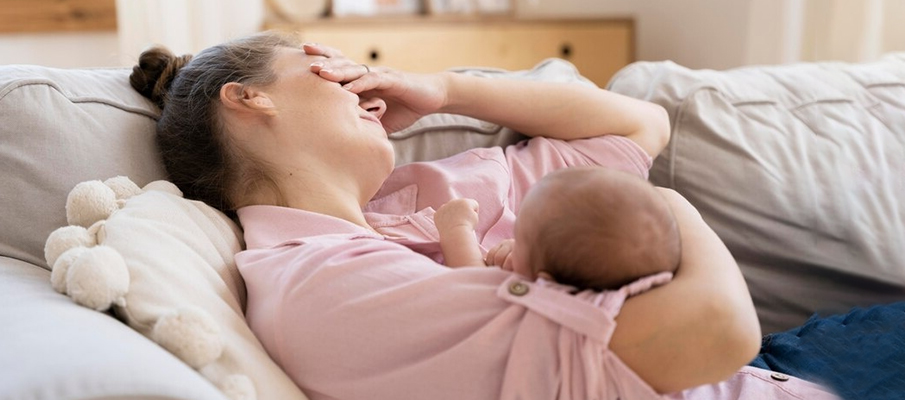
Bringing a baby into the world is supposed to be magical, right? But what if, instead of joy, you’re feeling overwhelmed, panicked, or on edge? If your heart races when the baby cries or your mind spirals over every “what if,” it might not be just the baby blues –it could be postpartum anxiety. And guess what? You’re not alone, and you’re not broken.
What is Postpartum Anxiety?
Postpartum anxiety is a real and diagnosable mental health condition that can affect new mothers anytime during the first year after childbirth. It goes far beyond typical stress or temporary worry. Instead, it’s marked by persistent feelings of fear, nervousness, racing thoughts, or panic that don’t fade with rest or reassurance. Even with a strong support system, moms with postpartum anxiety often feel overwhelmed, restless, and unable to relax or enjoy motherhood.
Common Signs of Postpartum Anxiety
How do you know it’s more than just first-time mom nerves? Postpartum anxiety can show up in ways you might not expect,
- Racing thoughts that won’t stop
- Trouble sleeping—even when the baby is sleeping
- A sense of dread, even when everything seems “fine”
- Feeling like something terrible is going to happen
- Physical symptoms like a pounding heart, nausea, or shaking It’s often mistaken for high-functioning motherhood—but inside, it’s exhausting.
Why It Happens: Root Causes of New Mom Anxiety
Let’s be honest—your brain and body just went through a massive transformation. Hormonal shifts, chronic sleep deprivation, and emotional overload all collide at once. Past trauma, a challenging birth, or fear of doing things “wrong” can heighten anxiety. Society’s unrealistic expectations of motherhood don’t help either. This isn’t a sign of weakness—it’s your body reacting to real stressors, biologically and emotionally. You’re adjusting, and that takes time and support.
When to Seek Help for Postpartum Anxiety
If your worries are interfering with your daily life—if they’re stealing joy, sleep, or your ability to bond with your baby—it’s time to talk to someone. You don’t have to wait until it’s unbearable. The earlier you get support, the better the outcome.
Tips to Manage Anxiety as a New Mother
You don’t have to “push through” anxiety. Try these small but powerful steps.
- Talk about it—with a partner, friend, or therapist. Saying it out loud helps.
- Ground yourself—deep breathing, mindfulness, or a warm shower can reset your nervous system.
- Sleep when you can—forget the dishes. Rest matters.
- Limit doom-scrolling—especially parenting forums at 3 a.m.
- Ask for help—not just with the baby, but with you.
Final Thoughts: Let’s Normalize Postpartum Mental Health
It’s okay to admit that motherhood isn’t all cuddles and lullabies. Anxiety doesn’t mean you love your baby any less. It means your brain needs support—and there’s absolutely no shame in that. Let’s normalize talking about it, treating it, and healing from it—together.
FAQs about Postpartum Anxiety
How long does postpartum anxiety last?
It varies. Some moms feel better within weeks, while others need months of treatment and support. With therapy and care, most women see real improvement.
Can I have anxiety without depression?
Absolutely. Postpartum anxiety can exist on its own, without any symptoms of postpartum depression. Many women experience anxiety even while feeling emotionally “upbeat.”
Are intrusive thoughts normal?
They can be. Many new moms have scary thoughts they don’t want to have. What matters is how distressing they are and whether they interfere with daily life—therapy can help.
Is medication safe while breastfeeding?
Yes, many medications are considered safe for breastfeeding mothers. A reproductive psychiatrist can help you find an option that works for both you and your baby.
Baby blues vs. postpartum anxiety?
Baby blues are short-lived, usually lasting a week or two. Postpartum anxiety is more intense, persistent, and often requires professional help to manage. It’s not just hormones—it’s a condition that deserves care.
Need support?
Texas Psychiatry Group is specialized in postpartum mental health and reproductive psychiatry. If you’re struggling, let us help you reconnect with peace, joy, and the beautiful, complicated journey of motherhood. You’re not alone.