
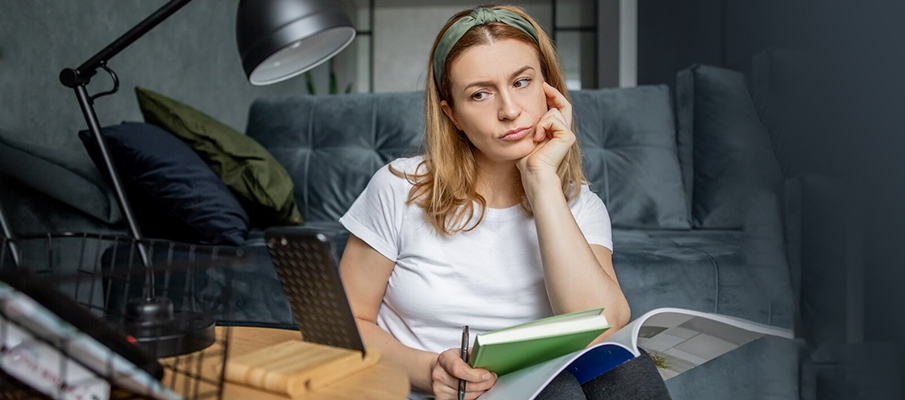
Ever walked into a room and felt instantly calmer, or strangely tense, without knowing why? That’s the quiet power of your visual environment at work. Emotional healing isn’t only shaped by conversations or coping tools; it’s also deeply influenced by what surrounds you every single day. Colors whisper to your mood, shapes guide your focus, and patterns create a rhythm your mind instinctively follows. With the right visual cues, people often feel lighter —stress eases, thinking becomes clearer, and emotional resilience starts to rebuild. When your space is curated with intention, it becomes more than décor. It becomes a silent, steady therapist supporting your inner wellbeing.
Decoding the Emotional Spectrum: The Power of Color Psychology
Colors influence us long before we realize it! Shaping our mood, guiding our thoughts, and even altering the pace of our emotions. They act like emotional shortcuts, helping the mind find calm, focus, or energy simply through visual cues. Understanding these responses allows us to create environments that genuinely support mental and emotional wellness.
Soothing Hues
Soft blues and greens naturally slow the body’s stress response, relax the nervous system, and encourage emotional stillness, making them ideal for calming anxious or overwhelmed minds.
Energizing Tones
Warm yellows and oranges stimulate mental activity, uplift low moods, and boost creative energy without feeling overstimulating when used thoughtfully.
Balancing Neutrals
Whites, beiges, and greys reduce emotional noise, steady fluctuating moods, and create a neutral backdrop that helps overstimulated minds reset and rebalance.
The Resonance of Form: Shapes and Sacred Geometry
Shapes hold an emotional frequency of their own. They influence how safe, energized, or grounded we feel often without us realizing it. The human mind instinctively responds to curves, edges, and structured patterns, making form a powerful tool for emotional regulation, focus, and inner harmony in everyday spaces.
Curves and Circles
Rounded shapes create an atmosphere of softness and emotional ease. They reduce tension, signal safety, and encourage openness, making them ideal for spaces meant for calm conversations or reflection. Circles, especially, foster a sense of unity and gentle continuity that relaxes both mind and body.
Sharp Angles
Triangles and angular forms stimulate alertness and mental sharpness. They communicate direction, precision, and structure, which can be useful in work or learning environments. However, when heavily used, these shapes may feel overwhelming, so they work best when balanced with softer visual elements.
Sacred Geometry
Sacred Geometry like the Flower of Life or Metatron’s Cube creates an intuitive sense of order, symmetry, and connectedness. These patterns promote mental clarity and emotional grounding, making them ideal for meditation spaces or areas where calm focus is essential, without needing any spiritual association.
The Rhythmic Comfort: Patterns and Visual Flow
Patterns act like background music for the eyes, setting a pace your mind instinctively follows. Some soothe your emotional state, others spark energy, and a few help you reset mentally. Their rhythm shapes how you feel, think, and move through a space, making pattern choice a surprisingly powerful wellness tool.
Natural Patterns (Biophilic Design)
Organic textures like wood grains, leaf motifs, and flowing natural forms ground the mind. These patterns mimic nature’s steady rhythm, easing tension and restoring emotional balance by reconnecting you with environments your brain instinctively trusts.
High-Contrast Repetition
Bold, repeating patterns stimulate mental activity and boost alertness. They’re great for energizing a space, but when used too heavily, they can overwhelm the senses and contribute to restlessness or visual fatigue over time.
The Power of Void (Negative Space)
Intentional empty areas create breathing room for the mind. Negative space prevents overstimulation, supports emotional clarity, and offers a quiet pause that helps thoughts settle, making it easier to focus, reflect, and feel mentally refreshed.
Frequently Asked Questions (FAQs): The Mind–Design Connection Answered
How is color psychology different from just personal preference?
Color psychology examines universal emotional responses to color, while personal preference is shaped by memories, culture, and individual taste.
Can certain patterns actually cause anxiety?
Yes. Busy, high-contrast, or tightly repetitive patterns can overstimulate the brain, triggering restlessness or tension in sensitive individuals.
What is Biophilic Design, and how does it aid emotional healing?
It incorporates natural elements like plants, wood, sunlight, and organic forms to reduce stress, support focus, and restore emotional balance.
How can I apply Sacred Geometry in a modern, non-religious context?
Use it as aesthetic structure wall art, décor, or room layouts to create order, symmetry, and visual harmony without spiritual framing.
What is the single best color for reducing stress in an office?
Soft blue is widely considered the most calming, helping lower mental fatigue and encouraging steady, focused work.