
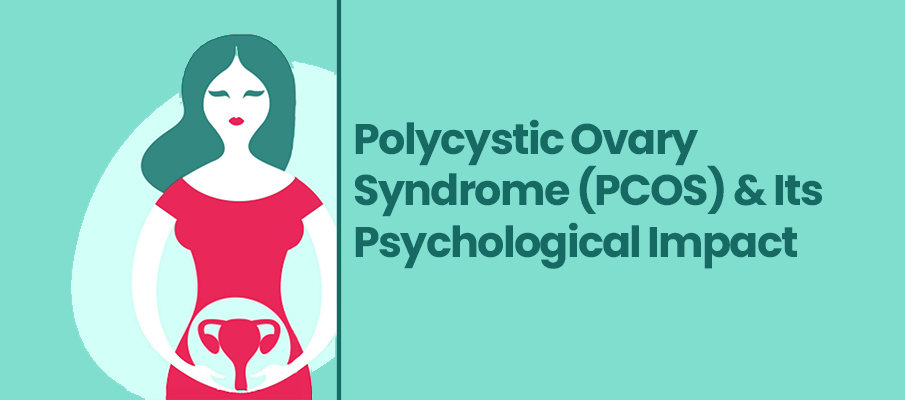
PCOS isn’t just about irregular periods or hormonal imbalances; it’s a full-body and mind experience that affects millions of women worldwide. While irregular periods, ovarian cysts, and fertility challenges often get the spotlight, the psychological impact of PCOS is just as real and often overlooked. Anxiety, depression, stress, and low self-esteem are common companions for women navigating this condition. Understanding the mental health side of PCOS is crucial. By addressing both physical and psychological effects, women can regain control, boost confidence, and improve overall quality of life.
PCOS is not just about symptoms you can see. The internal effects like hormonal imbalances, insulin resistance, and chronic inflammation can create a ripple effect on emotional wellness. Feeling exhausted, frustrated, or anxious is not “in your head”; it’s part of how PCOS affects your brain chemistry and emotional regulation. Recognizing this connection is the first step toward comprehensive care and healing.
Understanding the Psychological Effects of PCOS
PCOS impacts mental health in ways that go beyond the physical. Research shows women with PCOS face higher risks for anxiety, depression, and emotional stress. Key factors include:
- Hormonal Imbalances: Elevated androgens and insulin resistance can disrupt serotonin and dopamine, influencing mood and emotional regulation.
- Body Image Concerns: Acne, hair growth, and weight changes can lower self-esteem and increase social anxiety.
- Fertility-Related Stress: Challenges with conception contribute to frustration, sadness, and emotional strain.
- Chronic Health Stress: Managing long-term symptoms like irregular periods and fatigue can heighten stress and overwhelm coping mechanisms.
- Sleep Disturbances: PCOS often causes insomnia or poor sleep, which worsens mood and cognitive function.
- Stigma and Misunderstanding: Lack of awareness about PCOS can make women feel isolated or dismissed, further impacting mental health.
Body Image and Self-Esteem Challenges
One of the most noticeable psychological impacts of PCOS is on body image. Symptoms like weight gain, acne, unwanted facial and body hair, and hair thinning can make women feel self-conscious. In a society that constantly emphasizes physical appearance, these changes can lower self-esteem, trigger social anxiety, and even lead to isolation.
Body image struggles are more than cosmetic concerns; they affect daily life, relationships, and overall mental health. Women with PCOS may feel embarrassed or frustrated, which can impact personal confidence and emotional resilience. Encouraging self-compassion and realistic self-expectations is critical, alongside medical or cosmetic interventions if desired.
PCOS and Stress
Living with PCOS often means dealing with chronic stress and the science shows it’s more than just “feeling overwhelmed.” Women with PCOS tend to have heightened stress responses and higher levels of stress hormones like cortisol, which can fuel emotional distress and reinforce hormonal imbalance. Studies indicate women with PCOS show greater psychological tension and altered stress hormone activity compared with controls, making stress both a psychological and physiological challenge in PCOS.
How Stress and PCOS Are Connected
- Hormonal stress response: Women with PCOS often have elevated cortisol and an overactive stress axis, linking stress to hormonal disruption.
- Worsened symptoms: High stress and cortisol can worsen insulin resistance and hormonal imbalance, intensifying PCOS symptoms like irregular cycles and weight gain.
- Emotional distress: Research shows women with PCOS report higher levels of tension, depression, and difficulty coping with stress than women without the condition.
- Body’s stress feedback loops: Stress compounds existing metabolic and inflammatory stressors, creating a cycle that affects both body and mind.
Coping Strategies and Mental Health Support
Managing the mental health impact of PCOS requires practical coping strategies and emotional support.
Mind-Body Techniques
Practices like mindfulness, yoga, journaling, and deep breathing reduce anxiety, stabilize mood, and promote calm. These mind-body tools help women navigate stress while improving focus and emotional resilience.
Physical Wellness
Regular exercise and balanced nutrition support energy, hormonal balance, and self-esteem. Physical wellness directly influences mental health, helping reduce anxiety, boost confidence, and improve overall emotional well-being.
Support Systems
Connecting with friends, family, or other women with PCOS provides understanding and reduces isolation. Support groups, online communities, and counseling offer safe spaces to share, learn, and feel validated.
Medical Management and Hormonal Treatment
Medical care plays a crucial role in managing both the physical and psychological effects of PCOS. Hormonal therapies, like oral contraceptives or anti-androgens, help regulate cycles, reduce acne, and control excess hair, boosting confidence. Insulin-sensitizing medications support weight and blood sugar management, easing stress. Stabilizing physical symptoms often improves mood, energy, and motivation. Combined with lifestyle changes and mental health support, medical treatment creates a holistic, mind-body approach for long-term well-being.
Raising Awareness
Spreading awareness about PCOS and its mental health impact helps women feel seen and understood. Open conversations, education, and advocacy reduce stigma and encourage early support. If you or a loved one is navigating PCOS, don’t wait—connect with healthcare professionals and mental health experts today to get guidance, resources, and compassionate care tailored to your needs.
Frequently Asked Questions (FAQs)
1. Can PCOS cause depression and anxiety?
Yes. Hormonal imbalances, chronic symptoms, and body image concerns can trigger depression and anxiety. Early recognition and support from mental health professionals can significantly improve coping and emotional well-being.
2. Does weight management help with psychological symptoms of PCOS?
Yes. Maintaining a healthy weight through balanced nutrition and regular exercise can improve insulin resistance, regulate hormones, boost self-esteem, and reduce anxiety or depressive symptoms.
3. Are there medications to help with PCOS-related psychological issues?
Certain medications, including hormonal treatments, insulin regulators, and sometimes antidepressants, can help manage psychological effects of PCOS. All treatments should be prescribed and monitored by healthcare professionals.
4. Can therapy or counseling improve mental health in women with PCOS?
Absolutely. Counseling, cognitive-behavioral therapy (CBT), and support groups help women process emotions, cope with stress, and improve self-esteem while managing the challenges of PCOS.