
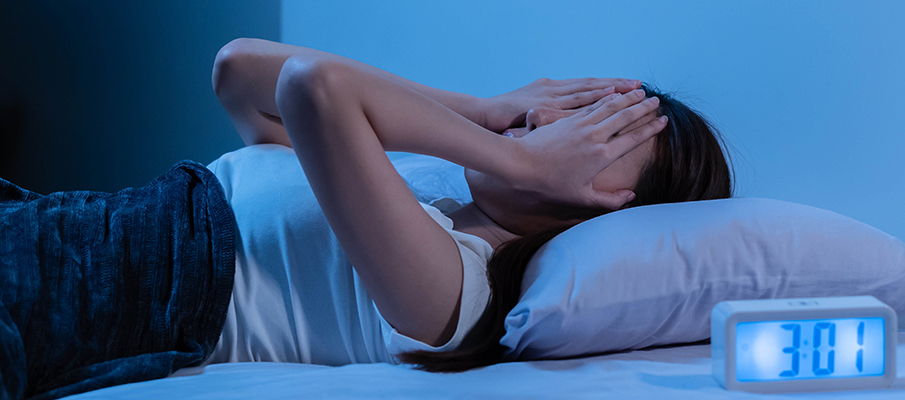
Ever crawl into bed exhausted, only for your mind to start racing the moment your head hits the pillow? That endless cycle of worrying about not sleeping while desperately trying to sleep is called sleep anxiety. It’s more common than you think and can turn peaceful nights into frustrating battles. The Texas Psychiatry Group experts understand how anxiety hijacks your rest and impacts your mental health. The good news? With the right support and strategies, you can break the cycle and reclaim restorative sleep.
Understanding Sleep Anxiety
Sleep anxiety goes beyond occasional sleeplessness —it’s the fear of not being able to sleep that keeps your mind alert when it should unwind. According to the American Academy of Sleep Medicine, this condition can trigger symptoms such as rapid heartbeat, muscle tension, and restlessness. Over time, this anxiety-stress loop can disrupt your body’s natural sleep cycle, turning bedtime into a stressful experience that impacts emotional balance, concentration, and overall health.
So what is Sleep Anxiety?
Sleep anxiety is a type of performance anxiety focused on the act of sleeping. The more you worry about not sleeping, the harder it becomes to actually fall asleep. According to the Sleep Foundation and Cleveland Clinic, this anxiety activates the body’s “fight-or-flight” response, increasing cortisol and adrenaline levels that disrupt rest. When persistent, it may evolve into chronic insomnia, daytime fatigue, irritability, and even heightened symptoms of generalized anxiety disorder.
The Real Reasons You Can’t Sleep: Understanding Sleep Anxiety Causes
Sleep anxiety doesn’t appear overnight, it often builds up from emotional strain, mental overload, or even physical discomfort. Understanding these triggers can help you break the cycle of worry and sleeplessness. From everyday stress to lifestyle habits, each factor plays a role in keeping your mind alert when it should be resting.
Chronic stress
Constant pressure from work, finances, or personal responsibilities activates the body’s stress hormones, keeping your brain on high alert even at bedtime. This overactive state makes it nearly impossible to drift into deep, restful sleep.
Previous sleep struggles
After several restless nights, your mind starts linking bedtime with anxiety instead of comfort. This conditioning makes the moment you lie down a trigger for worry, setting off a loop of frustration and sleeplessness.
Mental health conditions
Anxiety disorders, depression, and PTSD often intensify nighttime overthinking. Racing thoughts and intrusive memories heighten arousal levels, preventing the calm needed for quality sleep.
Lifestyle habits
Excessive caffeine, inconsistent sleep schedules, and screen time before bed can delay melatonin production. These habits overstimulate the brain, making it harder to wind down and signaling your body that it’s still “daytime.”
Medical conditions
Health issues like thyroid imbalance, chronic pain, or sleep apnea disturb both comfort and breathing patterns. These physical discomforts can heighten anxiety and make falling or staying asleep even more difficult.
How Sleep Anxiety Affects the Mind and Body
When you’re anxious about sleep, your body shifts into “fight or flight” mode—releasing stress hormones like cortisol that keep you wired instead of relaxed. Over time, this cycle leaves you feeling mentally drained and physically exhausted.
Impact on the Mind
Sleep anxiety clouds your thoughts and heightens emotional sensitivity. You may feel irritable, unfocused, or mentally foggy during the day. Over time, chronic sleep deprivation worsens anxiety and depression, making even small daily challenges feel overwhelming.
Impact on the Body
Physically, sleep anxiety raises heart rate and blood pressure while disrupting hormone regulation. This imbalance affects energy, immunity, and metabolism, often leading to fatigue, headaches, muscle tension, and increased risk of chronic stress-related conditions.
Overcoming Sleep Anxiety: Effective Strategies
Managing sleep anxiety isn’t about forcing yourself to sleep, it’s about teaching your mind and body to relax again. With consistent habits and gentle self-awareness, you can break the anxiety-sleeplessness cycle. These simple yet powerful strategies, backed by mental health experts, can help you rebuild confidence in your body’s natural ability to rest.
1. Create a calming bedtime routine
Prepare your body for sleep with relaxing rituals —dim the lights, sip herbal tea, read, or play soothing music. These cues tell your brain it’s time to unwind and shift into rest mode.
2. Practice mindfulness or deep breathing
Mindfulness and deep breathing calm your nervous system and reduce anxiety. Try inhaling deeply for four seconds, holding for four, and exhaling for six —this simple rhythm helps quiet racing thoughts.
3. Avoid clock-watching
Watching the clock when you can’t sleep only fuels anxiety. Turn your clock away or remove visible time sources so you can focus on relaxation instead of worrying about the hours passing.
4. Keep a consistent sleep schedule
Go to bed and wake up at the same time daily —even on weekends. According to the National Sleep Foundation, a stable sleep rhythm strengthens your body’s internal clock and improves sleep quality.
5. Limit stimulants
Reduce caffeine, nicotine, and sugary drinks after midday. These stimulants can keep your heart rate elevated and your brain alert, making it harder to fall asleep when night comes.
6. Use cognitive behavioral therapy (CBT)
CBT for insomnia (CBT-I) is a proven treatment that helps change unhelpful sleep-related thoughts. Guided by a mental health professional, it retrains your mind for healthier, calmer sleep patterns.
When to Seek Professional Help
When sleepless nights turn into anxious days, it’s more than just a bad habit, it’s a sign your mind needs support. If your worries about sleep are affecting your mood, focus, or overall well-being, don’t wait it out. The compassionate experts at Texas Psychiatry Group offer personalized, evidence-based care to calm your mind and restore healthy rest. Take the first step toward peaceful sleep and emotional balance —your recovery starts with reaching out today.
Frequently Asked Questions (FAQs) about Sleep Anxiety
What’s the difference between insomnia and sleep anxiety?
Insomnia is difficulty falling or staying asleep, while sleep anxiety is the fear or worry about not sleeping —which can actually cause insomnia.
Can sleep anxiety cause physical symptoms?
Yes. It can trigger tension, rapid heartbeat, restlessness, and even digestive discomfort due to the body’s heightened stress response.
How long does it take to recover from sleep anxiety?
Recovery varies. With therapy and consistent lifestyle changes, many people notice significant improvement within a few weeks to a few months.
Is medication necessary for treating sleep anxiety?
Not always. Many cases improve with therapy and sleep hygiene, but medication may be prescribed for severe or persistent anxiety under psychiatric guidance.
Can functional psychiatry help with sleep anxiety?
Absolutely. Functional psychiatry addresses both mind and body—looking at hormones, nutrition, and stress management —to promote balanced sleep and long-term mental wellness.