
Art speaks in ways that words often cannot. Through painting, music, writing, or performance, creative expression becomes a powerful tool for mental health awareness. It allows people to channel emotions, process challenges, and discover inner strength in safe and meaningful ways. Creative arts also spark conversations, helping to reduce stigma and encourage open dialogue about emotional well-being. From classrooms to community spaces, these outlets provide healing, connection, and resilience. By combining creativity with advocacy, schools, communities, and professionals can highlight the importance of mental health while inspiring individuals to embrace their stories, express themselves freely, and build healthier futures.
The Connection Between Art and Mental Health
The link between art and mental health is powerful, offering people a safe way to express what words can’t capture. Creative outlets like painting, music, dance, or theater help individuals release stress, explore emotions, and boost self-esteem. These practices not only nurture emotional well-being but also encourage resilience and healing. By making feelings visible, art breaks down stigma, strengthens mental health awareness, and provides meaningful tools for coping in schools, communities, and therapy settings.
How Creative Arts Promote Mental Health Awareness
Creative arts are a powerful way to open conversations about mental health awareness in schools and communities. By turning emotions into visible, audible, and relatable forms, art helps reduce stigma and encourages empathy. From student-led performances to nationwide campaigns, creative expression highlights resilience and the importance of emotional well-being, making mental health a topic people feel safer discussing and embracing together.
Storytelling through Theater and Film
Theater and film use relatable characters and narratives to portray real-life mental health struggles. These performances spark empathy, inspire conversation, and help normalize emotional challenges, making mental health awareness more accessible to broader audiences through compelling storytelling.
Art Exhibitions
Art exhibitions allow people to share their inner journeys through painting, photography, or sculpture. By visually representing emotions, exhibitions raise mental health awareness, encourage reflection, and promote healing within communities through shared, creative experiences.
Music Concerts or Spoken Word Events
Music and spoken word connect directly with emotions. Lyrics, rhythm, and poetry break stigma by addressing mental health themes in powerful ways, inspiring unity and resilience while amplifying mental health advocacy in engaging, creative formats.
Social Media Campaigns
Digital platforms allow art, videos, and graphics to spread mental health messages quickly. Social media campaigns reach diverse audiences, normalize emotional conversations, and make mental health advocacy interactive, inspiring, and accessible for younger generations worldwide.
Types of Creative Expression That Support Healing
Creative expression comes in many forms, each offering unique ways to support mental health and emotional healing. Painting, drawing, or sculpture turn feelings into tangible art, while journaling, poetry, and blogging provide reflective outlets that build clarity and resilience. Music, dance, and drama encourage release, confidence, and empathy through movement and storytelling. Photography captures perspective and identity, while mindful coloring and mandalas create calming, meditative states. Whether through visual arts, writing, or performance, these practices reduce stress, strengthen awareness, and nurture long-term emotional well-being.
Creative Arts in Professional Mental Health Care
Creative arts aren’t just hobbies, they’re powerful tools in professional mental health care. Therapists use them to help clients express emotions, build resilience, and heal in ways words alone sometimes can’t.
Art Therapy
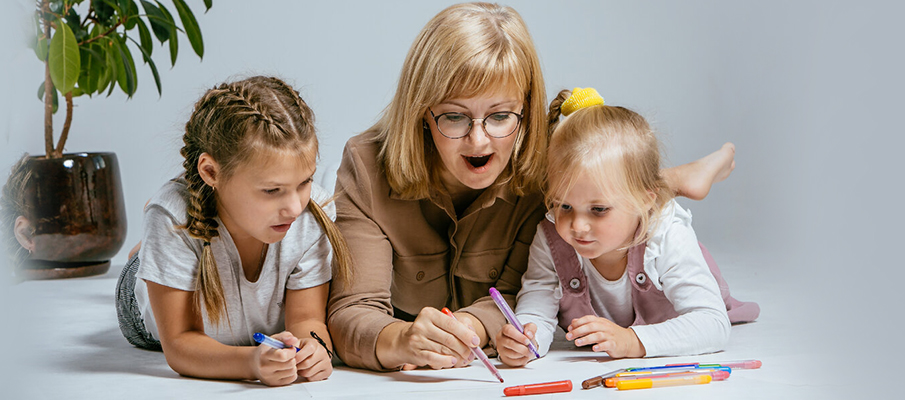
Painting, drawing, or sculpting helps people express emotions beyond words. In art therapy, licensed professionals guide clients through creative exercises that foster self-awareness, stress relief, and emotional healing.
Music Therapy
From listening to composing, music therapy uses sound to soothe the mind and lift mood. Certified music therapists design personalized sessions to reduce anxiety, manage emotions, and promote balance.
Dance/Movement Therapy
Movement unlocks emotional release and builds confidence. In dance therapy, trained therapists use body awareness techniques and guided exercises to improve mental health and support healing.
Drama Therapy
Role-play and storytelling in drama therapy help clients explore personal struggles, build empathy, and find solutions. Therapists create safe, interactive environments for growth and expression.
Writing and Expressive Therapy
Journaling, poetry, and storytelling let clients process their feelings and experiences. Mental health professionals provide guided prompts, encouraging reflection that supports resilience and emotional clarity.
Blogging for Mental Health
Blogging allows individuals to share their stories, reduce stigma, and build supportive communities. In therapy, professionals guide clients in reflective blogging as a structured outlet for self-expression and healing.
Conclusion: Turning Creativity into Healing
Creative arts and expression open powerful doors to mental health awareness, resilience, and healing. From painting and writing to music, dance, and blogging, these outlets give children and adults safe ways to process emotions and build stronger mental well-being. Schools, parents, and professionals can work together to use creative therapies as tools for growth.
Texas Psychiatry Group know that nurturing mental health through creativity is a step toward a brighter, balanced future. Our creative art therapy experts help transform creativity into more than art —it becomes a pathway to resilience, awareness, and lifelong mental health.
Your Questions Answered: Exploring Mental Health Awareness through Creative Arts
How does art support mental health?
Art supports mental health by offering safe outlets for emotional expression, reducing stress, and fostering self-awareness. Creative practices like painting, music, or writing also promote resilience, improve mood, and strengthen connections with others.
What is art therapy?
Art therapy is a professional treatment that uses creative techniques—like drawing, painting, or sculpting—to help individuals explore emotions, improve coping skills, and support psychological healing under the guidance of a trained therapist.
Can creative arts raise mental health awareness?
Yes, creative arts can raise awareness by making mental health issues more visible and relatable. Through exhibitions, performances, and campaigns, art sparks meaningful conversations and encourages communities to support emotional well-being.
Which creative activities are most effective?
Activities like painting, journaling, music, dance, and theater are particularly effective. Each allows unique forms of self-expression, helping individuals release emotions, process experiences, and build resilience while raising awareness of mental health.
Should arts replace traditional therapy?
Creative arts should not replace traditional therapy but can complement it. While art fosters healing and awareness, professional therapy provides structured treatment. Together, they create a holistic approach to improving mental health.