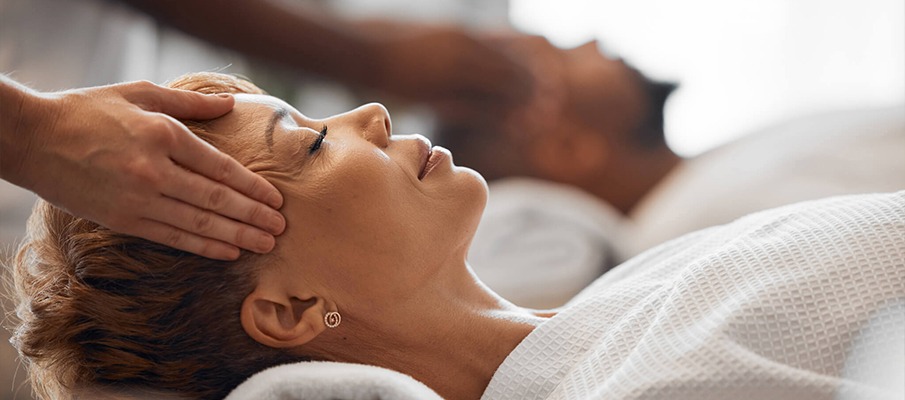


It was one of those weeks when everything felt like a whirlwind. Meetings piled up, deadlines loomed, and emails seemed to multiply by the hour. By Friday, Sarah, a marketing manager in Dallas, felt completely drained -her body tense, her mind cluttered, and her patience worn thin. She knew she needed something beyond her usual cup of coffee to regain focus and calm. That’s when she discovered mindful movement, a practice blending meditation and exercise to cultivate emotional balance.
Unlike a traditional workout or a quiet meditation session alone, mindful movement invites you to pay attention, truly pay attention -to every breath, step, and stretch. It’s about slowing down in a fast-paced world and reconnecting with your body while calming your mind. Whether through yoga for mindfulness, gentle tai chi flows, or even a mindful walking practice, this approach creates space for clarity, stress relief, and inner calm.
For Sarah, the first five minutes felt awkward. She noticed every tension in her shoulders, the tightness in her calves, and even the racing thoughts about unfinished tasks. But as she continued, focusing on her breathing and the rhythm of her movements, a sense of calm started to spread. By the end of the session, she felt lighter, both physically and emotionally. This experience illustrates the transformative potential of mindful movement -a tool anyone can use to build resilience in daily life.
What Is Mindful Movement?
At its core, mindful movement is the intentional combination of physical activity and mental awareness. It isn’t about how fast you move or how many calories you burn -it’s about tuning into your body, your breath, and the present moment. By integrating breathwork exercises and gentle motions, mindful movement turns exercise into a form of moving meditation. The practice promotes holistic wellness, supporting both physical strength and emotional clarity.
Benefits of Combining Meditation and Exercise
The beauty of combining meditation and exercise lies in the synergy of mental and physical benefits. On one hand, exercise improves flexibility, endurance, and cardiovascular health. On the other, meditation reduces stress hormones, clears mental clutter, and fosters emotional resilience. When combined, these practices amplify each other’s effects, helping you achieve emotional balance faster and more sustainably.
Studies show that engaging in mindful movement through slow yoga flows, tai chi, or intentional walking enhances focus, reduces anxiety, and increases overall energy. Practicing mindful movement consistently can act as a powerful tool for stress relief techniques, helping you respond calmly to everyday challenges instead of reacting impulsively.
For employees like Sarah, this combination also improves mental health and fitness, leading to better decision-making, creativity, and productivity. It’s no wonder that more workplaces and wellness programs are integrating mindful movement into their holistic wellness offerings. Over time, it can reshape how you approach stress, exercise, and self-care, turning what used to be a reactive routine into a proactive one.
Practical Ways to Practice Mindful Movement
Starting a mindful movement practice doesn’t require expensive equipment or hours at a gym. Even small, intentional sessions can produce significant benefits. Here are some practical ways to integrate mindful movement into daily life.
Yoga for Mindfulness
A gentle yoga flow encourages focus on posture, breathing, and alignment. By pairing stretches with deliberate breaths, you cultivate awareness and release tension from tight muscles.
Tai Chi Benefits
This slow, flowing practice blends movement and meditation, improving balance, flexibility, and mind-body connection. Tai chi is particularly effective for reducing stress while strengthening focus and presence.
Mindful Walking Practice
Even a ten-minute walk can be transformative if approached mindfully. Pay attention to each step, the sensation of your feet on the ground, and your breath. Observing your surroundings without judgment enhances clarity and reduces mental fatigue.
Breathwork Exercises
Incorporating deep, intentional breaths during stretches, warm-ups, or short workouts helps regulate stress hormones and enhances emotional resilience.
Short Office Sessions
If a full class isn’t feasible, even five to ten minutes of guided stretches or light movements at your desk can have a calming effect and improve focus.
The key is to approach these practices with intention. Mindful movement isn’t about performance; it’s about presence. Over time, these small habits compound, creating a foundation for long-term emotional balance and holistic wellness.
Emotional Balance Through Mindful Movement
Sarah noticed that after her first week of mindful movement, she handled workplace stress differently. She no longer felt pulled in every direction; instead, she approached tasks with clarity and calm. This is the power of mindful movement: it helps regulate stress hormones, improves sleep quality, and strengthens emotional resilience.
When you integrate mindful movement into your routine, your mind learns to pause, observe, and respond rather than react. Regular practice enhances emotional balance, giving you tools to navigate difficult conversations, high-pressure deadlines, and life’s uncertainties with a calm, centered mindset.
The benefits extend beyond mental clarity. Physically, mindful movement improves posture, relieves muscle tension, and boosts energy levels. Together, these effects create a sense of wholeness that supports both mental health and fitness, making everyday challenges feel more manageable.
FAQs on Mindful Movement
1. What is the difference between mindful movement and regular exercise?
Regular exercise focuses on physical output, like repetitions, strength, or endurance. Mindful movement, on the other hand, integrates awareness and breath, turning activity into a meditative practice that supports emotional balance and holistic wellness.
2. Can beginners practice mindful movement?
Absolutely. Beginners can start with short sessions of yoga for mindfulness, tai chi, or mindful walking practice. The emphasis is on presence, not performance, making it accessible to anyone regardless of fitness level.
3. How does mindful movement improve emotional balance?
By pairing intentional movement with deep focus on breath and posture, mindful movement reduces stress hormones, clears mental clutter, and promotes calm. This enhances emotional balance and resilience in daily life.
4. Which exercises are best for mindful movement?
Gentle, flowing practices like yoga, tai chi, pilates, or mindful walking are ideal. These exercises combine movement with breath and awareness, supporting holistic wellness and reducing stress.
5. How often should I practice mindful movement?
Consistency matters more than duration. Even short daily sessions of five to twenty minutes can strengthen the mind-body connection, improve emotional balance, and support mental health and fitness over time.
Cultivating Calm: The Power of Mindful Movement
Mindful movement isn’t just a trend, it’s a pathway to reconnect with your body, calm your mind, and regain balance in a hectic world. By combining meditation and exercise, you nurture both your physical and mental well-being. Over time, practices like yoga, tai chi, mindful walking, and breathwork exercises help you develop a resilient mindset, lower stress, and feel more present in every moment.
Sarah’s story is one example of how mindful movement transforms everyday stress into opportunities for growth and clarity. With regular practice, the body becomes more relaxed, the mind sharper, and emotional resilience stronger. The best part? Mindful movement can be tailored to any lifestyle, schedule, or fitness level.
If you’re seeking stress relief techniques, exploring tai chi benefits, or simply looking to cultivate a mindful walking practice, incorporating mindful movement into your routine supports long-term holistic wellness. It’s not about perfection or pushing limits, it’s about connection, awareness, and balance.
Building Emotional Balance, One Movement at a Time
In today’s fast-paced world, the combination of meditation and exercise provides a vital tool for managing stress, improving focus, and enhancing overall well-being. Mindful movement empowers you to create a space where body and mind are aligned, allowing for deeper calm and clarity.
At Texas Psychiatry Group, we encourage everyone to explore mindful movement as part of a comprehensive approach to mental health and fitness. By incorporating small daily practices into your routine, you can cultivate lasting emotional balance, reduce stress, and create a foundation for overall holistic wellness -all while moving through life with awareness, intention, and ease.