
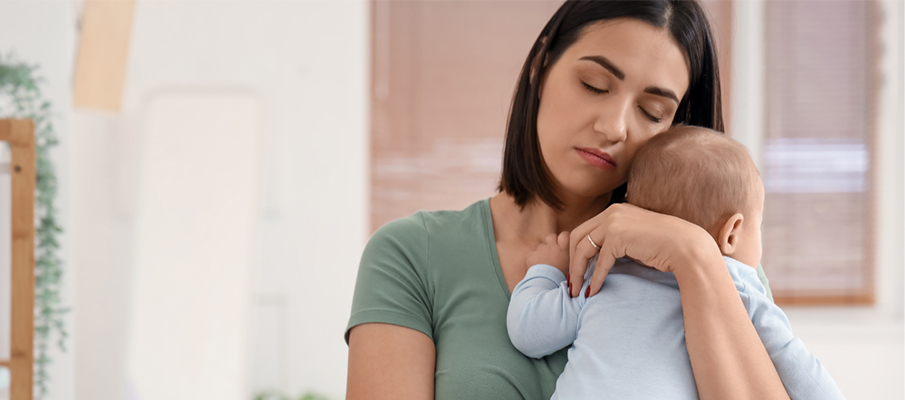
Bringing a newborn home is joyful, exciting but at the same time exhausting, and often overwhelming. Amid sleepless nights and endless diaper changes, many new mothers face emotional turbulence, mood swings, and anxiety. One of the most effective ways to support postpartum mental health is gentle, safe exercise. Research shows that movement not only improves physical recovery but also reduces stress, boosts mood, and enhances overall well-being. Incorporating mindful, structured exercise routines can empower new mothers to regain confidence and foster a sense of balance during this transformative phase.
Understanding Postpartum Mental Health
The postpartum period is marked by dramatic hormonal shifts, sleep deprivation, and major life adjustments, all of which can impact a mother’s mental health. According to studies, up to 1 in 5 women experience postpartum depression or anxiety. Symptoms may include sadness, irritability, fatigue, and difficulty bonding with the baby. Recognizing these changes as common, not a personal failing, is crucial.
Early support from healthcare professionals, family, and community combined with lifestyle strategies, can significantly improve emotional resilience and overall recovery.
Why Exercise Supports Postpartum Mental Health?
Exercise stimulates the release of endorphins and neurotransmitters like serotonin and dopamine, which help regulate mood and reduce anxiety. Research published in the Journal of Affective Disorders shows that new mothers who engage in gentle physical activity report lower rates of postpartum depression and improved sleep quality. Beyond mood, movement strengthens the body, aids weight management, and boosts energy levels. When tailored to postpartum needs, exercise becomes a safe, effective tool for emotional balance and overall well-being.
When Can New Mothers Start Exercising?
Timing depends on the type of birth and individual recovery. Women with uncomplicated vaginal deliveries may start gentle movement like short walks or stretching within days, while cesarean deliveries usually require a longer recovery period of 4–6 weeks. Always consult a healthcare provider before resuming structured exercise. Listening to your body is key: fatigue, pain, or bleeding are signals to slow down. Gradual progression ensures safety while still supporting mental health, confidence, and physical restoration.
Safe Exercise Tips for New Mothers
1. Start With Gentle Movement
Begin with low-impact activities like short walks, gentle stretching, or postpartum yoga. These movements improve circulation, reduce stiffness, and help the body regain strength without overexertion. Even five to ten minutes a few times a day can improve mood, relieve stress, and gradually prepare the body for more structured exercise.
2. Focus on Pelvic Floor Recovery
Postpartum pelvic floor exercises, such as Kegels, help restore core stability, prevent incontinence, and support posture. Incorporating these exercises into daily routines improves physical function and contributes to mental well-being, as confidence in body recovery reduces anxiety and frustration.
3. Prioritize Consistency Over Intensity
Small, regular sessions are more beneficial than occasional high-intensity workouts. Consistent movement maintains energy levels, stabilizes mood, and reinforces habit formation. Even 10–15 minutes daily creates a routine that supports both mental and physical health during the unpredictable postpartum period.
4. Incorporate Mind-Body Activities
Yoga, Pilates, and deep-breathing exercises combine gentle movement with mindfulness. Studies show mind-body practices reduce stress, improve mood, and promote relaxation, helping new mothers cope with anxiety and postpartum fatigue while fostering a stronger connection between mind and body.
5. Stay Hydrated and Nourished
Proper hydration and balanced meals support energy, mood, and recovery. Adequate protein, complex carbohydrates, and healthy fats fuel workouts and breastfeeding needs. Skipping meals or neglecting fluids can amplify fatigue, irritability, and stress, undermining both physical and mental health.
6. Include Social Support
Exercising with friends, joining postpartum fitness classes, or connecting with other new mothers fosters accountability, motivation, and emotional support. Sharing experiences, encouragement, and laughter strengthens community bonds, reduces isolation, and enhances overall mental wellness during the postpartum journey.
Recognizing When Professional Help Is Needed
If feelings of sadness, anxiety, or overwhelm persist beyond two weeks, interfere with daily functioning, or affect bonding with your baby, it’s important to seek professional support. Early intervention from mental health specialists can prevent complications and support recovery.
Creating a Balanced Postpartum Wellness Routine
Establishing a balanced postpartum routine is most effective with professional guidance. Healthcare providers, postpartum fitness specialists, and mental health professionals can help design a plan that safely combines gentle movement, proper nutrition, adequate rest, and social support. With expert oversight, new mothers can gradually increase activity, monitor recovery, and address emotional challenges early, building both physical strength and resilience.
Professional input ensures that self-care strategies are safe, personalized, and sustainable helping women navigate postpartum recovery with confidence, reduce the risk of complications, and foster long-term mental and physical well-being.
Conclusion: Supporting Postpartum Mental Health with Professional Guidance
Postpartum recovery is as much emotional as it is physical. Safe, mindful exercise paired with proper support strengthens mood, energy, and confidence. By prioritizing movement, nutrition, and connection, new mothers can nurture both body and mind, laying the foundation for lasting postpartum wellness.
Need Support? You’re Not Alone!
Postpartum life can be overwhelming, but help is available. Texas Psychiatry Group offers compassionate, expert care for new mothers facing anxiety, depression, or emotional challenges. With personalized guidance, therapy, and practical strategies, you can regain balance, boost confidence, and nurture both your mental health and your bond with your baby.