

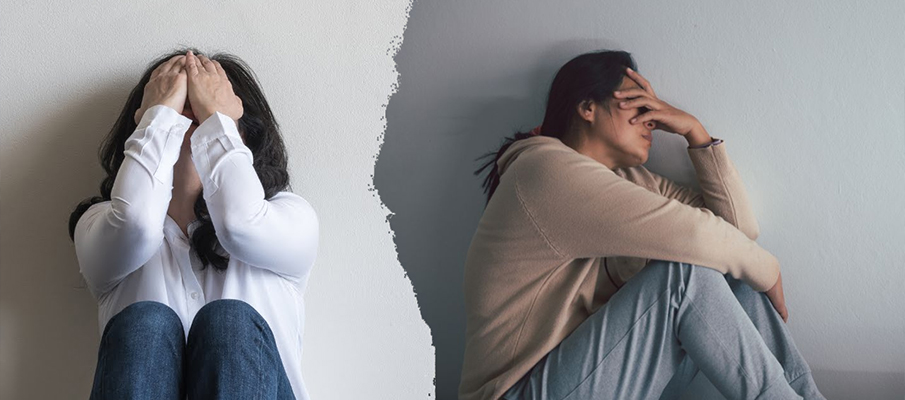
Most people use the words “stress” and “anxiety” as if they mean the same thing. In reality, they are closely related but medically different experiences. Stress is usually a response to an external pressure like work deadlines, financial challenges, or family responsibilities. Anxiety, on the other hand, often lingers even when the stressor is gone and can feel more internal, persistent, and harder to control.
Understanding the difference is important because it changes how you manage it. What feels like everyday stress may actually be an anxiety condition that needs clinical attention and structured treatment for long-term relief.
So, what exactly is Stress?
Stress is the body’s natural response to a demand or challenge. It can be physical, emotional, or psychological. When you face a stressful situation, your brain releases hormones like cortisol and adrenaline, preparing you for a “fight or flight” response.
In small amounts, stress can actually improve performance and focus. However, when stress becomes chronic, lasting weeks or months, it begins to affect sleep, mood, digestion, and concentration, making everyday functioning more difficult and emotionally draining.
What about Anxiety?
Anxiety is a mental health condition characterized by persistent worry, fear, or uneasiness that may not always be linked to a specific external trigger. Unlike stress, which is usually temporary, anxiety can continue even in the absence of an immediate problem.
People experiencing anxiety often feel a sense of dread, restlessness, or constant anticipation of something going wrong. It can interfere with daily life, relationships, and work performance, and may require professional treatment such as therapy, lifestyle changes, or medication.
Key Differences Between Stress and Anxiety
Stress is typically short-term and situation-based, while anxiety is longer-lasting and often internal. Stress usually resolves when the problem is gone; anxiety may persist without a clear cause. Both can share physical symptoms, but anxiety tends to be more chronic, intrusive, and disruptive to daily functioning.
Cause
Stress is triggered by external pressures like deadlines or conflicts, while anxiety may arise without a clear external cause or may continue after the stressor is removed.
Duration
Stress usually fades once the situation improves, but anxiety can persist for weeks, months, or even longer, often becoming a recurring or ongoing mental health condition.
Symptoms
Stress symptoms are often temporary and situation-linked, while anxiety symptoms are more persistent, including constant worry, panic sensations, and difficulty controlling fearful thoughts.
Medical Classification
Stress is not classified as a mental disorder, while anxiety disorders are recognized clinical conditions diagnosed and treated within psychiatric and psychological care frameworks.
Physical and Emotional Symptoms
Stress and anxiety affect both body and mind, but their symptoms differ in intensity, duration, and how they impact daily functioning.
- Physical Symptoms: Stress causes temporary headaches, tension, and fatigue linked to triggers, while anxiety creates persistent symptoms like rapid heartbeat, sweating, dizziness, and ongoing physical discomfort.
- Emotional Symptoms: Stress leads to situational frustration or irritability, whereas anxiety involves constant worry, fear, restlessness, and a sense of dread that continues even without clear reasons.
- Cognitive Impact: Stress may reduce focus temporarily during pressure, while anxiety disrupts concentration long-term, causing overthinking, racing thoughts, and difficulty making decisions or staying mentally present.
- Duration & Intensity: Stress symptoms usually improve after the situation resolves, but anxiety symptoms persist longer, often intensifying over time and interfering with sleep, relationships, and overall quality of life.
When Should You Seek Help?
You should consider seeking professional help when stress or anxiety begins to interfere with your daily life, work performance, relationships, or sleep. If worry feels constant, physical symptoms persist, or you feel unable to relax even in safe environments, it may be more than everyday stress. Early support from a mental health professional can prevent symptoms from worsening and help restore emotional balance and clarity.
Effective Ways to Manage Stress and Anxiety
Managing stress and anxiety requires consistent lifestyle changes, emotional awareness, and sometimes professional guidance for lasting mental and physical balance.
- Regular Exercise: Physical activity releases endorphins, improves mood, and reduces stress hormones, helping the mind stay calmer and more focused throughout daily challenges.
- Mindfulness & Deep Breathing: Practicing mindfulness and controlled breathing helps regulate emotional responses, reduce overthinking, and bring immediate calm during stressful or anxious moments.
- Structured Routine: A predictable daily schedule creates stability, reduces uncertainty, and helps the brain feel more in control, lowering overall stress and anxiety levels.
- Healthy Habits & Support: Limiting caffeine, improving sleep, and speaking with a therapist or doctor ensures better emotional regulation and long-term mental health stability.
- Better Sleep Hygiene: Maintaining consistent sleep and wake times improves brain recovery, emotional balance, and reduces irritability, helping lower both stress and anxiety levels naturally over time.
- Limit Digital Overload: Reducing screen time and social media exposure prevents mental overstimulation, comparison triggers, and information fatigue that often worsen anxiety and stress symptoms significantly.
- Balanced Nutrition: Eating regular, nutrient-rich meals stabilizes blood sugar levels, supports brain function, and helps regulate mood swings that can intensify stress and anxious feelings.
- Journaling & Emotional Expression: Writing thoughts and emotions down helps organize mental clutter, identify triggers, and create emotional release, making stress and anxiety more manageable.
- Social Connection: Talking with trusted friends or family provides emotional support, reduces isolation, and helps individuals feel understood during stressful or anxious periods.
Take the First Step Toward Clarity and Calm
Stress and anxiety can feel similar, but they affect you in very different ways—and knowing that difference really matters. When these feelings start interfering with your daily life, it’s a sign to pause and seek support rather than push through. With the right care, recovery is absolutely possible. Texas Psychiatry Group provides compassionate, expert mental health support to help you regain clarity, balance, and lasting emotional well-being.
FAQs: Frequently Asked Questions About Stress and Anxiety
1. Is anxiety worse than stress?
Anxiety is not necessarily “worse,” but it is more persistent and less tied to external events. Stress is usually temporary, while anxiety can continue without a clear trigger and may require clinical treatment for long-term management.
2. Can stress turn into anxiety?
Yes, prolonged or unmanaged stress can sometimes develop into anxiety, especially when the body remains in a constant state of alert. Over time, this can lead to persistent worry even after the original stressor is gone.
3. How do I know if I have anxiety or just stress?
If your symptoms are tied to specific situations and improve afterward, it is likely stress. If worry persists without clear triggers and affects daily functioning, sleep, or concentration, it may be anxiety.
4. What treatments are available for anxiety?
Anxiety can be treated through therapy such as cognitive behavioral therapy (CBT), lifestyle changes, stress management techniques, and in some cases, medication prescribed by a mental health professional for symptom control and long-term improvement.