
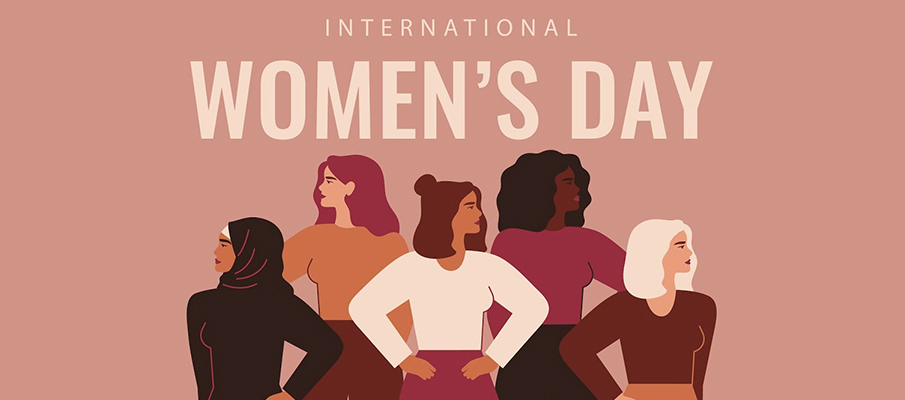
At the end of the day, many women aren’t just tired -they’re mentally drained from carrying invisible loads no one talks about. The work deadlines, family responsibilities, the expectations, the constant balancing act and juggling multiple roles in a single day -it adds up. This International Women’s Day, it’s time to shift the focus from simply “getting through the day” to truly feeling well. The conversation around women’s mental health support is evolving, and at its core are two powerful tools -movement and community.
Through mental wellness activities for women and meaningful social connections, women can build resilience, reduce stress, and rediscover balance in a world that constantly demands more.
Understanding Women’s Mental Health Challenges
Behind the smiles and daily routines, many women are silently carrying more than they show. Juggling roles as professionals, caregivers, and partners, they often navigate constant pressure and unspoken expectations. This ongoing mental load can lead to stress, anxiety, burnout, and even depression. Hormonal changes, life transitions, and limited time for self-care further strain emotional well-being. Over time, these challenges can impact energy, confidence, and stability. Supporting women’s mental health requires a proactive, holistic approach -one that prioritizes prevention, strong support systems, and sustainable habits that nurture both mind and body every day.
The Benefits of Women’s Mental Health Through Movement and Community
The International Women’s Day movement isn’t just a celebration, it’s a call to action for women’s mental health. Raising awareness breaks stigma, sparks conversations, and reminds women they’re not alone in facing stress, anxiety, or burnout. When paired with community, it creates safe spaces to share, connect, and find support. Workshops, group discussions, and local initiatives empower women, boost confidence, and foster resilience. Together, the movement and community transform awareness into action, helping women feel seen, valued, and emotionally stronger, while building networks that sustain mental well-being long after the day is over.
The Power of Community in Mental Wellness
Connection heals. Being part of a supportive circle allows women to share experiences, feel understood, and reduce emotional isolation. Strong social bonds play a vital role in emotional well-being for women, offering encouragement, perspective, and a sense of belonging.
Community-Based Activities That Support Mental Health
Group fitness classes, wellness workshops, support groups, and social walks create safe spaces for connection and growth. These community wellness programs for women combine movement with shared experiences, helping women stay motivated, reduce stress, and build meaningful relationships.
How Movement and Community Help Women Navigate New Mental Health Challenges
Each year, life adds new layers of stress for women -career pressures, family responsibilities, social expectations, and personal transitions can shift and evolve, creating fresh mental health challenges. These changes aren’t always visible, making it easy for anxiety, burnout, or emotional strain to go unnoticed.
Awareness through the International Women’s Day movement highlights these emerging challenges, while supportive communities provide spaces to recognize and discuss them. Shared initiatives allow women to identify new stressors, exchange coping strategies, and develop practical solutions. This dynamic approach helps women adapt, build resilience, and maintain mental well-being amidst life’s evolving demands.
Practical Ways to Celebrate International Women’s Day
Celebrate by prioritizing well-being. Whether through fitness, connection, or reflection, small actions can make a meaningful difference. Focus on initiatives that promote mental health awareness for women and encourage long-term wellness habits.
1. Organize Wellness Activities
Host yoga sessions, group walks, or mindfulness workshops to encourage women’s mental wellness activities and create a supportive, uplifting environment.
2. Encourage Open Conversations
Create safe spaces for dialogue around stress, burnout, and emotional health to normalize conversations about women’s mental health support.
3. Promote Work-Life Balance
Encourage flexible schedules and self-care practices to reduce burnout and support stress management for women in everyday life.
4. Support Women-Focused Wellness Programs
Invest in initiatives that provide access to therapy, fitness, and community support tailored to holistic mental health for women.
Creating Long-Term Mental Health Habits
Lasting mental wellness takes time, it grows through consistency. Simple habits like daily movement, balanced nutrition, and staying connected can create a strong foundation. Prioritizing self-care without guilt and making time for supportive relationships helps women sustain emotional balance and resilience, even during life’s most demanding phases.
Conclusion: Prioritize Women’s Mental Health Today
Life brings new challenges, but women don’t have to face them alone. This International Women’s Day, let’s move beyond awareness and take action. Supporting women’s mental health means creating spaces where they can move freely, connect deeply, and feel supported. Because when women are mentally strong and emotionally balanced, they don’t just thrive -they uplift everyone around them.
For personalized guidance and expert support, Texas Psychiatry Group is here to help women navigate stress, anxiety, and life’s evolving pressures -empowering them to thrive with confidence and balance.
FAQs: Common Questions About Women’s Mental Health
1. Why is movement important for women’s mental health?
Movement releases endorphins, reduces stress hormones, and improves sleep, all of which support emotional balance and reduce anxiety in women.
2. What types of exercise are best for mental wellness?
Walking, yoga, strength training, and low-impact cardio are all effective. The best exercise is one that feels enjoyable and sustainable.
3. How does community support improve mental health?
Community reduces isolation, provides emotional support, and creates a sense of belonging, all of which are essential for mental well-being.
4. How can workplaces support women’s mental health?
By promoting work-life balance, offering flexible schedules, and encouraging wellness programs that prioritize emotional and mental well-being